by
Mwizenge S. Tembo, Ph. D.
Emeritus Professor of Sociology
Sani Zibalwe Tembo was born June 19, 1918, at Zibalwe Village in Chief Magodi in the Lundazi district of the Eastern Province of Zambia in Southern Africa. His father was the founder and Headman of the Village. Sani Zibalwe Tembo was 108 years old.
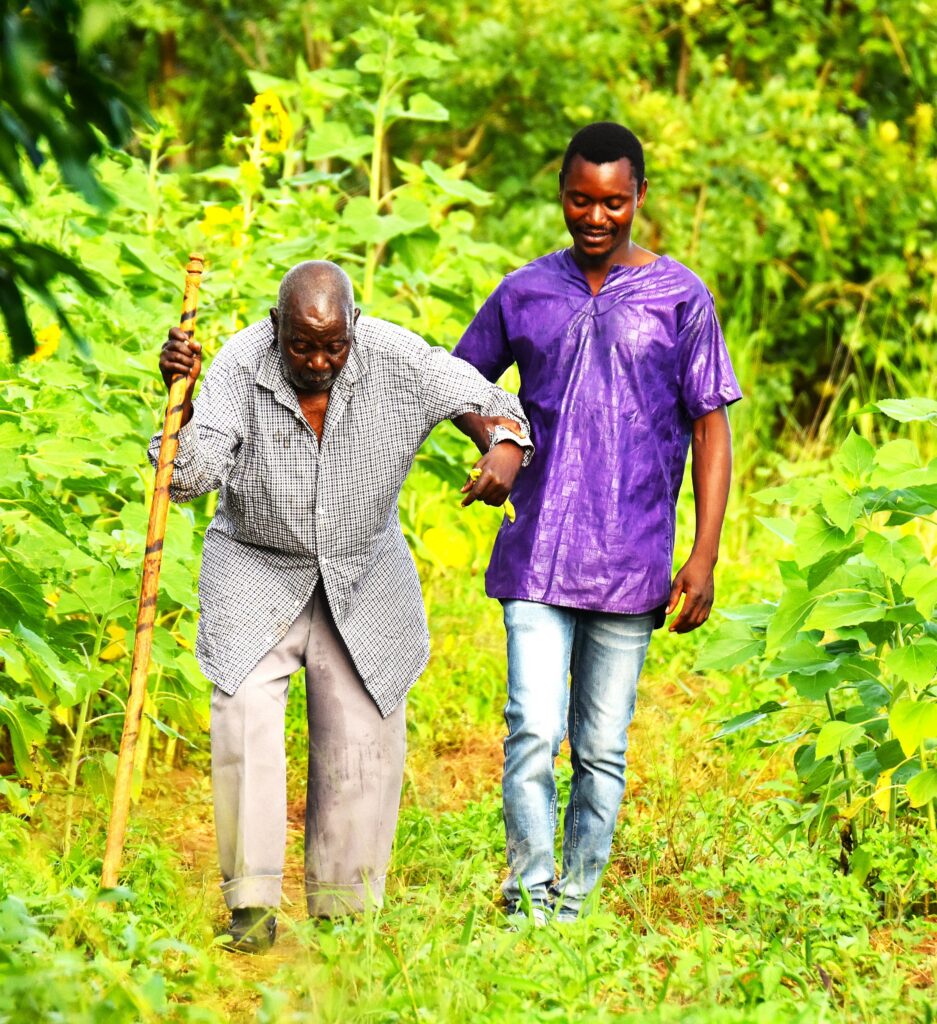
The British Colonial government in Northern Rhodesia introduced schools in Chief Magodi’s area in the early 1900s. His father decided that his son would enroll and try this new thing that the British called “school”. Sani attended Sub A or Grade 1 at the school that was located right in his own village at Zibalwe village in 1926. He was a bright student and liked schooling so much that he completed Standard 4 at Chasefu School near Chief Magodi in 1950.
Sani Tembo married his wife Enelesi Kabinda (a NyaNthula, a Mphikira Nkhondo) from Chipewa Village in 1946.
His father Headman Zibalwe was killed by a lion and his mother a Vayeya died of natural causes. Sani Zibalwe Tembo grew up as an orphan at a young age. Sani Tembo moved to Seleta Village to live with his uncle John Mayovu or aYamise and his aunt a Dolase Zimba or aMtuma. Many people at Seleta Village helped to raise Sani Tembo including Ciurazeru Nyoni and Zemba Nyoni
Sani Tembo taught as an untrained teacher for several years around his home area, including at Nyalubanga School in the early 1950s. The British Colonial government and the Dutch Reformed Church Mission recognized Sani Zibalwe Tembo’s outstanding skills as an untrained teacher that he was selected to attend the prestigious Katete Dutch Mission Teacher Training College in 1955. He attended the training with his wife Enelesi Kabinda by his side and their children at the time: first born Kabuthu Mary Stella (Mrs Mtonga), Mwangata Christina Bridget (Mrs Zimba), Yakhobe Jacob Mwizenge, Negrace or Neggy. Sani Tembo completed his teacher training course in 1958. In 1959 he was given his first teaching assignment at Chasela Primary School in the Eastern Province of Zambia in the Luangwa Valley during British colonialism in Northern Rhodesia and now independent Zambia.
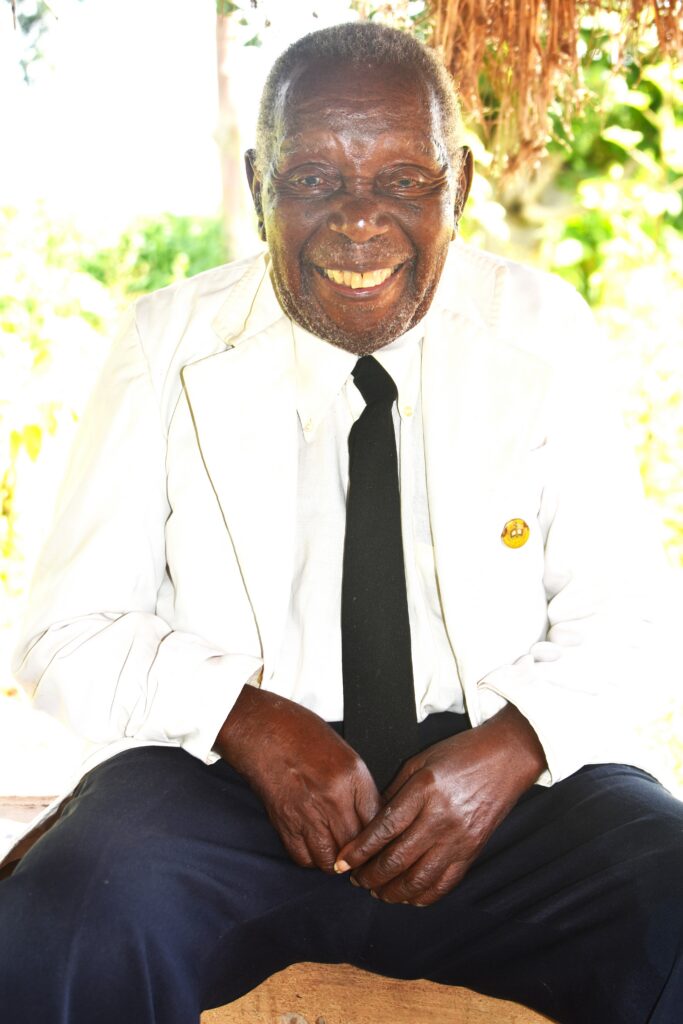
Sani Zibalwe Tembo performed his outstanding duties as a dedicated teacher for 25 years from 1950 to 1975 when he retired. He taught at more than 8 schools during this period including many in Chipata, and Lundazi districts, which included Chasera Primary School, Mafuta, Dzoole, Kapongolo, Kasonjola, Gundani, Nyongo, and Kapatamoyo Primary Schools. He taught the school subjects such as Math, English, Geography, Religious Knowledge so effectively that he inspired his students to have passion, great imagination and love for knowledge. Sani Tembo went beyond and outside the classrooms because he and his late wife Enelesi Kabinda who died in 2018, often helped many students who may have been poor and needed emotional and financial support as many faced untold hardships in boarding schools while away from home during their schooling endeavors.
Because of his teaching and helping students outside the classroom, the University of Lusaka established the annual Sani Zibalwe Tembo Lifetime Teaching award to be given at every annual graduation ceremony. The first winner of the annual Sani Zibalwe Tembo Lifetime Teaching award is Ms. Mwaka Chizinga who is the Executive Dean of the School of Law at University of Lusaka (UNILUS) Silverest Campus. The graduation ceremony was on April 23, 2026.
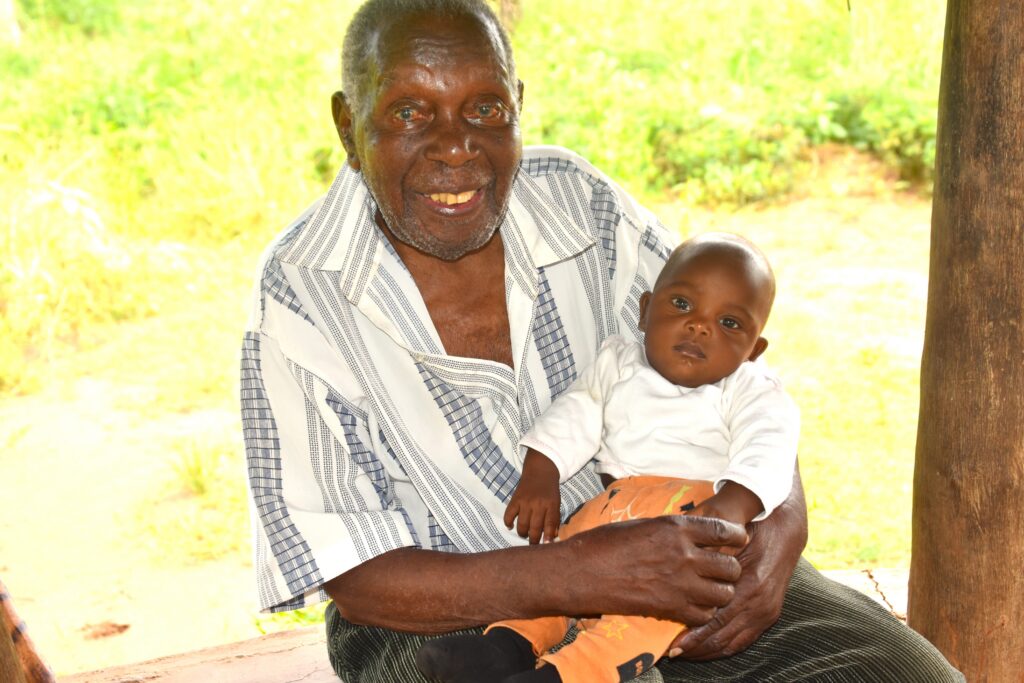
The award would not have been possible without the tireless efforts from one of Sani Zibalwe Tembo’s former pupils or students from 1959 at Chasera Primary School in the Luangwa Valley, Professor Evance Kalura who now lives in Cape town in South Africa. We should be thankful to Professor Pinalo Chifwanakeni who is the Vice-Chancellor of the University of Lusaka (UNILUS) for this lifetime gesture of recognition for Sani Zibalwe Tembo.
After he retired from teaching in 1975, he first settled at his uncle’s village at Seleta Village. After a few years he returned to Zibalwe Village where he was the Headman for ten years. As a Headman and former schoolteacher, he was very much involved or active in church, community activities and regional development projects and meetings in the area in the Northwestern region of Lundazi in the Nkhanga area. Sani Zibalwe Tembo has had so many names and titles in his life.
He was the consummate and ultimate genealogist as he could describe the kinship relationships between people from dozens of villages in the area with precise details going back to the 1920s and even from when the Ngoni crossed the Zambezi River in their migration from South Africa.
Many know him as former teacher. His biological children and others in the Tumbuka culture called him adada (father). some called him asibweni (uncle), many grand and great grandchildren called him agogo (grandfather). At one time in the 1990s some at Zibalwe Village called him aFwasa patali (one who travels far and is comfortable among strangers). Recently, Sani Tembo called himself Mthwika dongo (one who carries the weight of the soil or the world). His wife Enelesi Nya Kabinda called Sani Tembo the forever endearing name in the family “awise Negi” or the father of Neggy. He and his wife had 9 children; 6 girls and 3 boys. Kabuthu Mary Stella (1947), Mwangata Christina Bridget (1949) (who died in 2018), Yakhobe Jacob Jack Mwizenge (1954), Neggy Negrace (1957), Ester (1961), Phaskani Vincent (1963), Matyewo Zebby (1967), Manase Theresa (1969), and Babu Barbara (1972)
Sani Zibalwe Tembo touched so many lives in his 108 years of life. He will be missed especially by many who will be gathered at Zibalwe Village for his funeral, by those who knew him in the whole of Zambia and the world. His burial is on July 15, 2026.