by
Mwizenge S. Tembo, Ph. D. Emeritus Professor of Sociology
Dolly Parton in Africa
by
Mwizenge S. Tembo, Ph. D.
Emeritus Professor of Sociology
On a Sunday blue sky afternoon 54 years ago in May 1972, I finally stood on the balcony of the fifth floor of Africa Hall 5 Room 26 as a freshman at the University of Zambia. I was appreciating and surveying the beautiful scenery around and below. This was in Lusaka, the capital city of Zambia in Southern Africa. The lawns were green between gorgeous flowers and short bushes. This was among the 5-residence complex of Africa Hall, Kwacha Hall, Presidents Hall, and International Hall. Qualifying into the freshman class of only 400 was competitively fierce among thousands of high school seniors. All 1500 students were on government scholarship because our families were poor
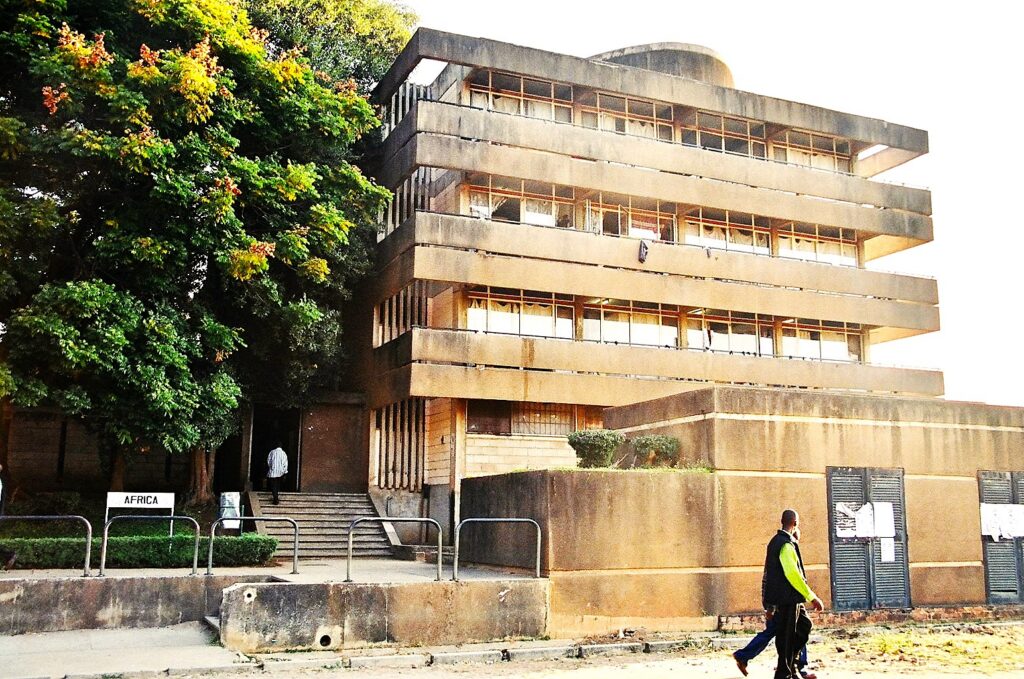
What struck me that afternoon was the different types of music booming from record players from many students’ rooms. This was to influence me for the rest of my life. During the next four years, it was normal for me to hear from different dorm rooms, Janis Joplin, B. B. King blues, the Beatles, James Brown, South African simanje-manje music, Rhumba music from neighboring Zaire and many more. This Zambian college student dormitory’s environment is where one heard genuine music diversity.
The only one thing the late Dolly Parton and I had shared in common is that after I got my first paycheck of K90.00 after my first job in the rural provincial town of Chipata after high school, is that I bought a small brief case record player because I could not wait to listen to music on records. When Dolly Parton graduated from high school in the mountains of East Tennessee, she immediately drove to Nashville to start her country music singing career. But I am getting ahead of myself.
I was fortunate enough to own what was called a briefcase record player. It was a briefcase-shaped small box with a handle, and you could carry it like a briefcase. When you opened it, it was a record player. None of us students could afford to buy numerous LPs or even 45 singles recors. The first and only single I bought during my first job after graduating from high school was Suite Jude Blue Eyes by Crosby Stills and Nash. I played that record so many times that the grooves on the record resembled the Grand Canyon.
I had a portable small supersonic shortwave radio Zambian made in the town of Livingstone. Radio Zambia played both western and Zambian traditional music. Radio stations from 8 of Zambia’s neighbors also played diverse music. This was a very fertile ground for everyone who liked diverse types of music which the listening ear of my soul thrived on.
During the months and years that followed, a student on the ground floor of Kwacha Hall played Isaac Hayes’ “Do your thing”, I owned Santana Abraxas album, and an LP of the South African white country music crooner Virginia Lee. I love Virginia Lee’s rendition of “I can’t stop loving you”. The music of Jim Reeves and in high school we danced to Elvis Presley’s “Suspicious minds” during ballroom dances. Another student in International Hall played Santana’s great hit “Batuka.”. It was in this mix that I heard so many of Dolly Parton’s songs with Porter Wagoner both from students’ residence halls and radio Zambia and other stations.
I heard my next dorm room neighbor play Dolly Parton and Porter Wagoner LP for weeks every morning. I loved hearing it so much that I switched off my record player to listen to his music. One day my neighbor happened to come out of his door to go to class just as I was coming out too.
“That is a great Dolly Parton and Porter Wagoner LP you are playing,” I casually complimented my neighbor.
“No,” he replied. “That is Skeeter Davis.”
I didn’t pay attention to what he said. I loved that Skeeter Davis album because I heard it so much over several years from my dorm room neighbor.
Fast forward to 1977 when I first arrived in the United States to come and do my Masters Degree at Michigan State. The very first day, I went to the bank and deposited and cashed some of my traveler’s checks. I walked across the street to Sam’s Store where I immediately bought two pairs of blue jeans. Then I walked 2 blocks to buy some music. I found some music including Steve Wonder. But I could not find the Skeeter Davis album. I looked for it for the next 23 years up to 2000, but I could not find it.
Once the internet arrived, I began to search for the Skeeter Davis album. What I found out stunned me. During all those 23 years, I had been searching for Skeeter Davis and Porter Wagoner as the duet singers. It turned out Skeeter Davis had been singing on her duet album with Bobby Bare and not Porter Wagoner. I love Dolly Parton’s music because it reminds me of my teenage years as a college student in the 1970s. But that is when she sang with Porter Wagoner. I also love Skeeter Davis and Bobby Bare and play the album whenever I get a chance on Spotify. When Dolly Parton passed away recently at the age of 80, her death reminded me that for decades I had mixed up the two fabulous country music artists I love.
Since her death, I have discovered that Dolly Parton was not only a great singer, but she was also a great human being beloved across the world. I have seen numerous incredible video clips about her. She once sang a hymn with a Zambian group. The hymn included the click sound of the Xhosa African language. She tried the click sound and failed. “I can’t do it!” she said as she laughed with the group. She sang the South African national anthem in the indigenous languages and nailed it. She composed a song for Johnny Crason and sang it for him as his guest during the show. Each time I think that Dolly Parton is gone I ask myself the question: “Why do great people have to die so young?”
Mwizenge Tembo is going to give a guest sermon titled: “The Relationship Between Courage and the Soul.” at the Harrisonburg Unilateral Universalist church HUU) on October 11, 2026 at 10:30AM.